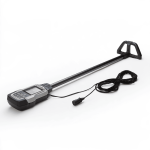
There is a particular kind of magic in standing on a ridge, looking out over a vast and untouched landscape, and wondering what secrets lie beyond the next hill. For generations, that wonder remained just that—a dream. But the modern long range gold detector has changed the equation entirely. These remarkable instruments allow you to scan the horizon, identify promising directions, and turn the distant unknown into a concrete plan for exploration. They are the dreamer’s device, transforming far-off possibilities into real, actionable discoveries.
Seeing Beyond The Reach Of A Coil
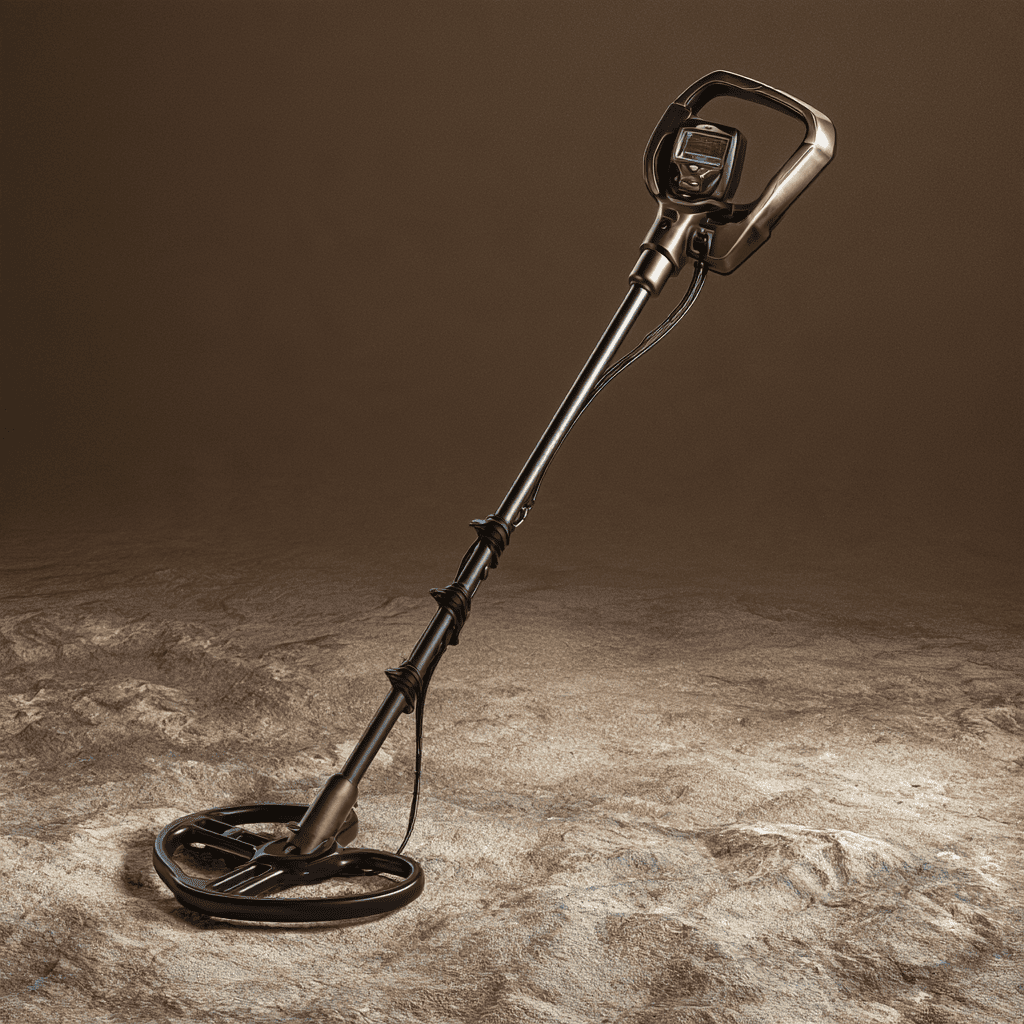 Traditional metal detectors are limited by proximity. You must walk directly over a target, coil sweeping inches from the ground, to hear its signal. This makes searching large areas a slow, methodical process measured in footsteps. A long range gold detector operates on a fundamentally different principle. It is designed for what manufacturers call “directional reconnaissance”—a first, rapid survey of an unknown terrain to determine where a more detailed search should begin.
The OKM Bionic X4, for example, was developed specifically for gold seekers who want to scan at far distances. By combining the detector with an Android smartphone, the user can visually locate targets, seeing the bearing and direction through the phone’s camera. This isn’t about finding a single coin; it’s about getting a general overview of large areas, especially in inaccessible regions where walking every inch is impractical or impossible.
The Technology Behind The Dream
How does a device detect gold from a distance? Long range detectors typically employ two complementary methods. The Ionic Detection Method measures the ion radiation absorbed by buried gold objects—a signature that strengthens the longer the gold has been in the ground. The Bionic Detection Method interacts with the operator’s own bio-energy to analyze subtle changes in object substances, allowing it to locate gold regardless of how long it has been buried.
These methods are not without their critics, and responsible manufacturers are clear about their limitations. A long range detector provides direction and bearing, not depth or size. OKM explicitly recommends pairing the Bionic X4 with a 3D ground scanner like the Rover UC to conduct detailed analysis once a promising location is identified. The long range device is the scout; the ground scanner is the confirmatory tool.
Triangulation: From Direction To Destination
The true power of a long range detector is unlocked through triangulation, also called cross bearing. You do not simply point the device once and dig. You scan from multiple positions, noting where the signal consistently points. When two or more bearings intersect at the same spot, you have identified a potential target location with far greater confidence.
This process transforms a vague “somewhere over there” into a precise coordinate. The OKM Delta Ranger signals a hit with triple feedback—acoustic, vibration, and visual crosshairs—making the process intuitive even for those new to the technology. Once the intersection point is marked, you can move in with more detailed tools to determine what, if anything, lies beneath.
Best Performance In The Quiet Places
Long range detectors are sensitive instruments, and they perform best where the environment is quiet. Both OKM’s Bionic and Ionic streams achieve their greatest accuracy in sparsely populated, undisturbed areas. The sensors are finely tuned to detect minute changes in ionic and bionic fields, and the electromagnetic noise of modern development can interfere with these readings.
This is not a limitation but a calling. The long range detector is made for the wild places—the rocky mountains, the dense forests, the open deserts where the ground has not been walked by thousands before you. It is the tool for the explorer who is willing to go where the crowds are not, to scan horizons that remain genuinely unknown.
Setting Realistic Expectations
The most positive and productive way to approach a long range gold detector is with clear expectations. It is not a magic wand that guarantees a treasure chest at every signal. Manufacturer-rated ranges and depths are maximum values that depend on target size, soil conditions, and operator skill. Some users report extraordinary finds; others report frustration when results do not match marketing claims.
The difference often lies in understanding the tool’s role. A long range detector is a reconnaissance device. It tells you where to look. It does not tell you what you will find. The dreamer who pairs a long range detector with patient follow-up using a 3D ground scanner or a conventional detector is the one who turns possibility into discovery.
The Horizon Is Yours
A long range gold detector is not for everyone. It is for the dreamer who looks at a distant ridge and wonders. It is for the explorer who wants to cover ground that would take weeks to traverse with a traditional coil. It is for the prospector who understands that the first step in finding treasure is knowing where to start.
With a long range device in hand, the far horizon is no longer a boundary. It is an invitation. The signal you catch today may lead to a discovery tomorrow. The direction you mark may become the story you tell for years. The dream is real, and the device is in your hands.

 หลายคนเชื่อว่าการเดิมพันคือเรื่องของดวง แต่ความจริงคือ “จิตใจที่มั่นคงและมองโลกในแง่ดี” มีอิทธิพลต่อผลลัพธ์มากกว่าที่คิด













 Before a potential buyer hears the engine purr or tests the brakes, they see the car. And the very first thing they look through is the windshield. This initial visual inspection is crucial. A windshield marred by long cracks, star-shaped chips, or a hazy surface covered in pitting sends an immediate, subconscious message of neglect. It raises red flags: If the owner ignored this obvious issue, what other, more costly maintenance might they have skipped?